en
en Polski
No products

Technique
Catalog

Technique

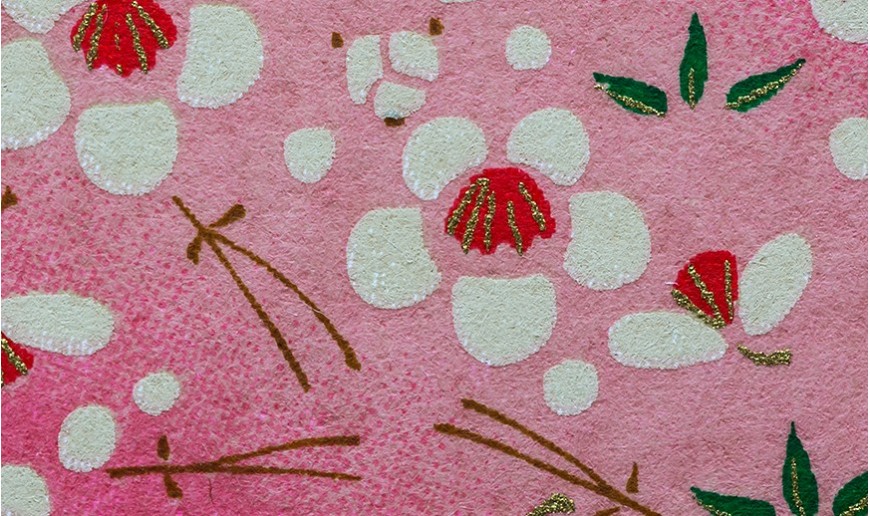
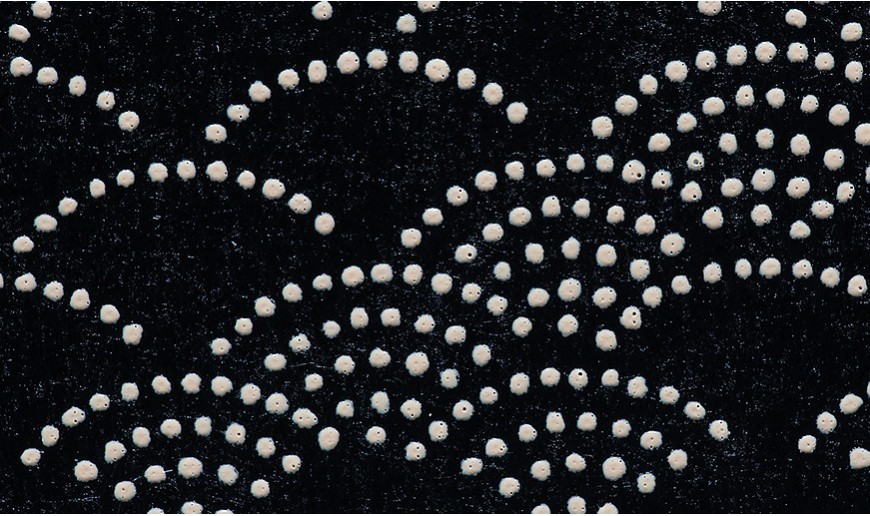
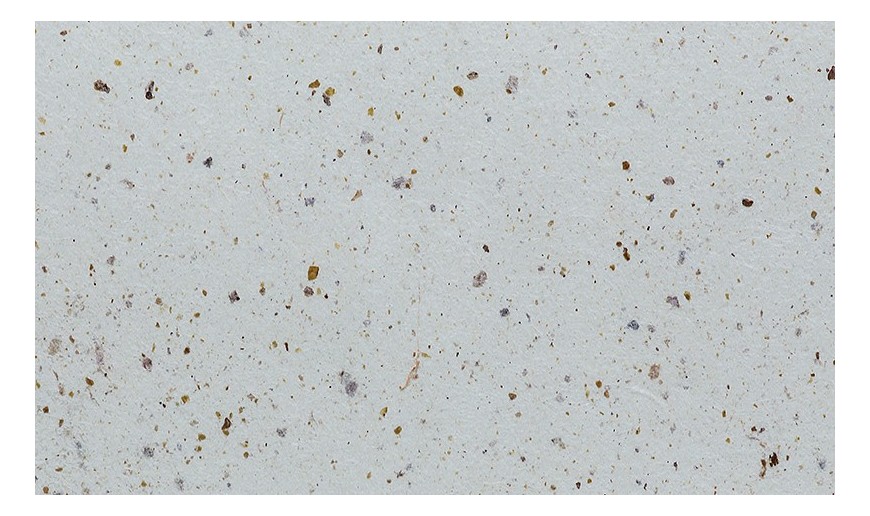
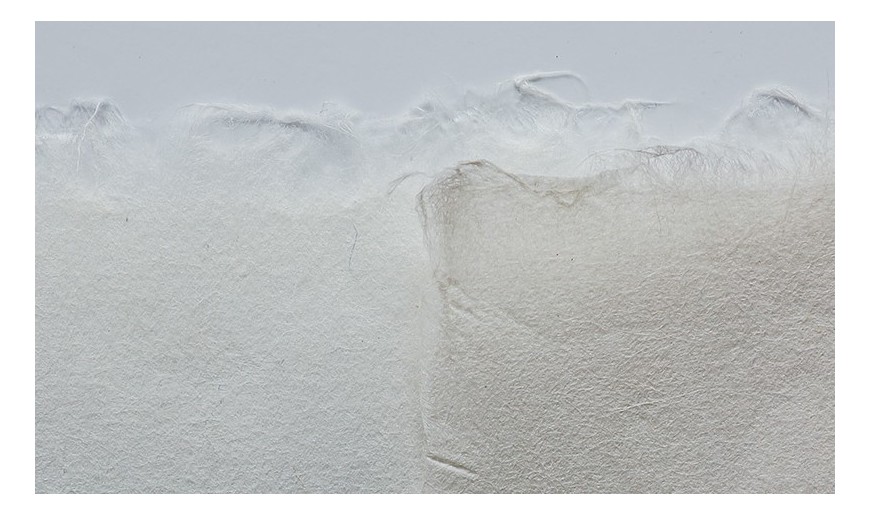
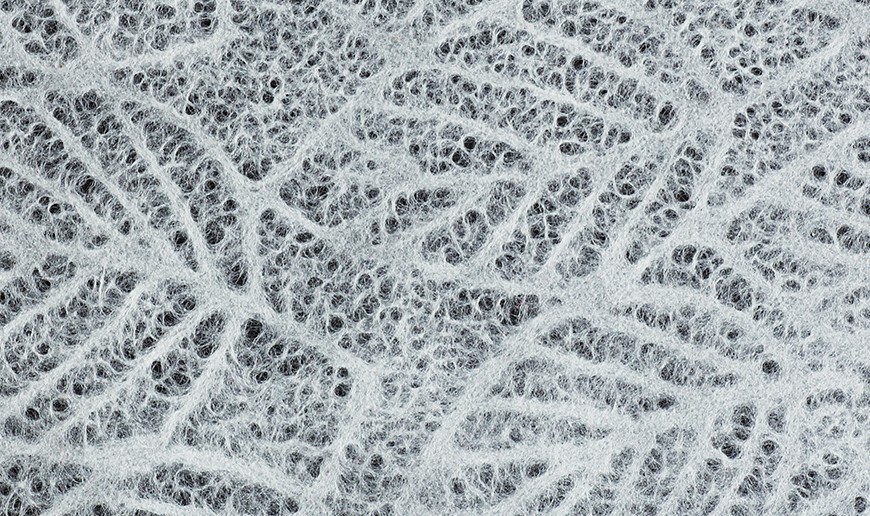
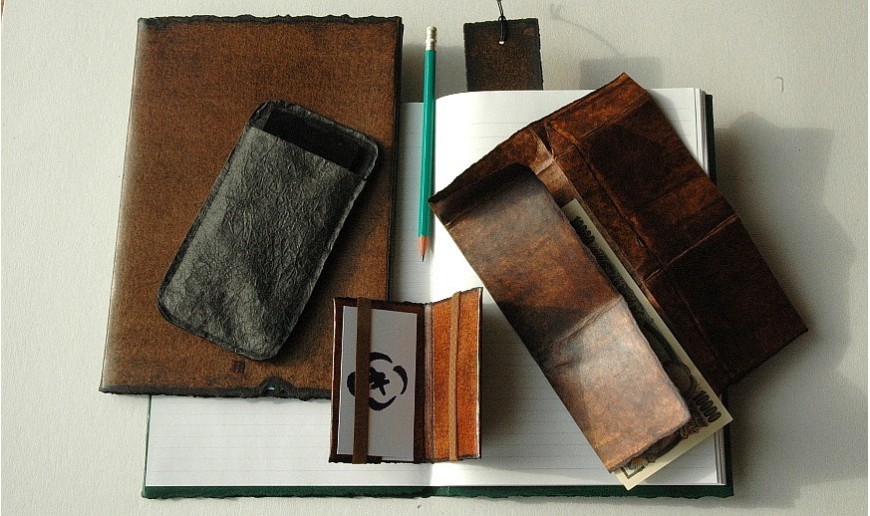
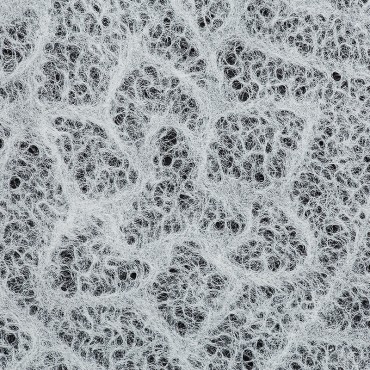
The Japanese paper has got almost an infinite number of variations. It is smooth and coarse, shiny and matt, transparent or thick. It can be dyed, decorated and used for instance in design. The technology of paper making in Japan has been on the highest level for several hundreds of years. Both Rembrandt, as well as Picasso appreciated the quali...
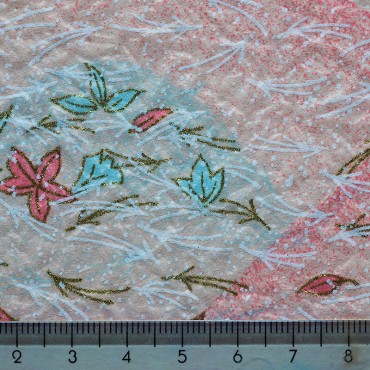
The Japanese paper has got almost an infinite number of variations. It is smooth and coarse, shiny and matt, transparent or thick. It can be dyed, decorated and used for instance in design. The technology of paper making in Japan has been on the highest level for several hundreds of years. Both Rembrandt, as well as Picasso appreciated the quality and properties offered by washi. How can anyone resist such richness of textures and colours?
Subcategories